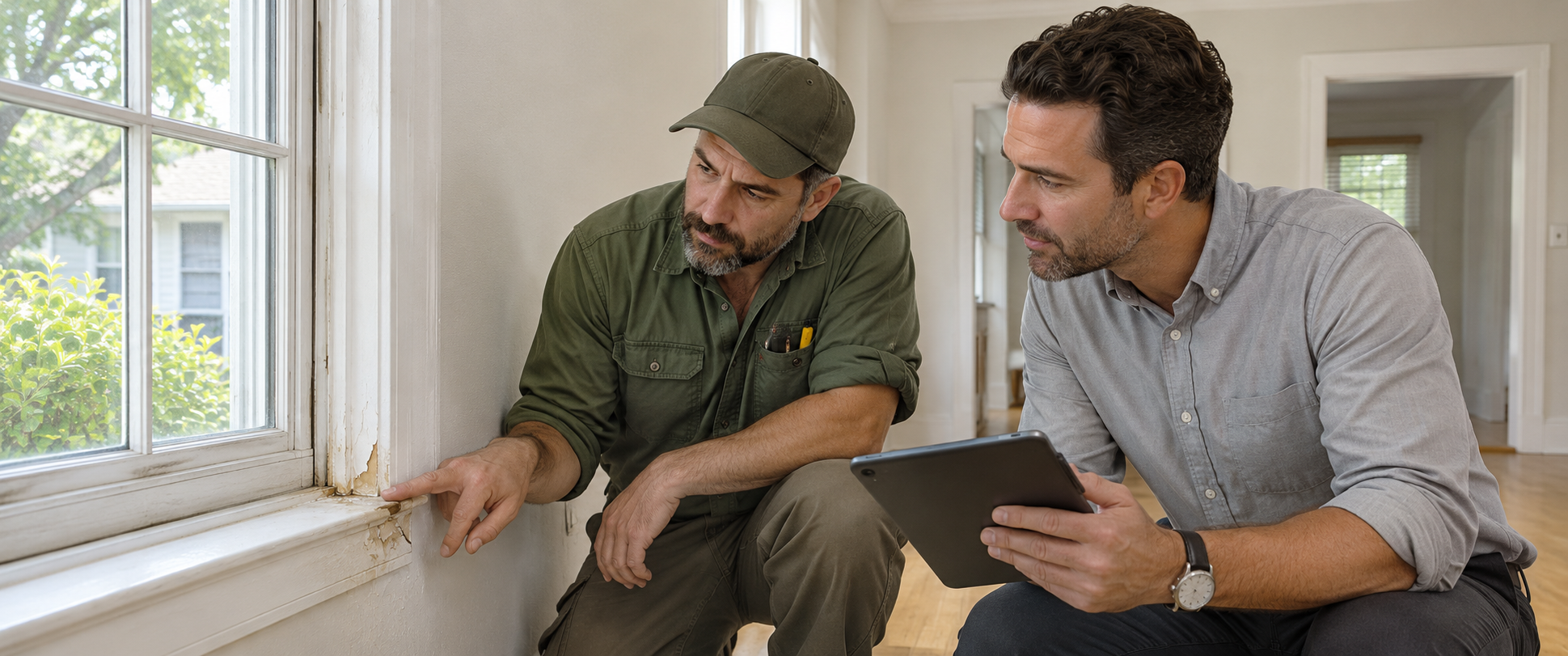
A tenant reports a leak. An automated message confirms receipt, but two days later, nobody can explain when a contractor will arrive. The landlord assumes the repair is underway. The tenant feels ignored. For US landlords reviewing property management in 2026, this is a useful place to start: how reliably does a reported problem become a completed job?
Tenants Notice What Happens After They Contact You
Buildium’s 2026 survey of 1,500 renters highlights maintenance and communication as important parts of the rental experience. It found that 84% of respondents expected a response from their property manager within 24 hours. That is a service expectation, rather than a universal legal deadline. Buildium
An acknowledgment helps, but tenants also need a useful next step. Who is handling the request? Is access needed? When should they expect an update?
-
Make updates useful. Give tenants a named contact or clear communication channel, explain the next action, and follow up if the schedule changes. Even when a repair takes time, a specific update prevents people from having to chase basic information.
-
Check that repairs are finished. Ask contractors to document completed work and confirm whether the reported issue has been resolved. A closed work order should reflect a completed repair. Repeat requests deserve a closer look at the underlying problem.
Technology Needs a Clear Purpose
Online portals and automated reminders can make routine administration easier. Their value depends on how well they fit the work. A maintenance request submitted through an app still needs someone to assess urgency, arrange access, and take responsibility for follow-through.
Before introducing another system, identify the problem you want it to solve. Missing messages, duplicate records, and forgotten follow-ups each require a clear process.
- Assign responsibility behind every automated step. Decide who reviews incoming requests and who handles exceptions. Test the process from a tenant’s perspective: submit a request, check where it goes, and confirm that someone can pick it up when the usual team member is unavailable.
Keep a straightforward route to human support. A portal is most useful when it makes help easier to reach.
Landlords Need Visibility Into the Work
Buildium’s 2026 Rental Owners’ Survey found that owners assess managers through practical measures including response times, maintenance turnaround, occupancy, and leasing performance. Clear reporting helps owners understand how those activities affect their property. Buildium
A monthly report should make the next decision easier. An unexplained list of completed tasks offers limited help when an unresolved issue needs attention.
-
Report exceptions clearly. Highlight overdue repairs, recurring faults, upcoming lease decisions, and anything awaiting owner approval. Include the next action and the person responsible so important items remain visible.
-
Review patterns across the property. Repeated plumbing visits or recurring complaints about the same issue should prompt a review. Looking at the history helps distinguish an isolated incident from a problem that needs a different solution.
Start With One Process You Can Improve
Choose one recent maintenance request and trace it from the first message to completion. Look for missing updates, unclear responsibilities, and unnecessary delays. Then agree on one improvement with your manager or team.
For landlords in 2026, reliable management is visible in these everyday details. Tenants know what happens next, owners understand what needs their attention, and the team can show that work has been completed.