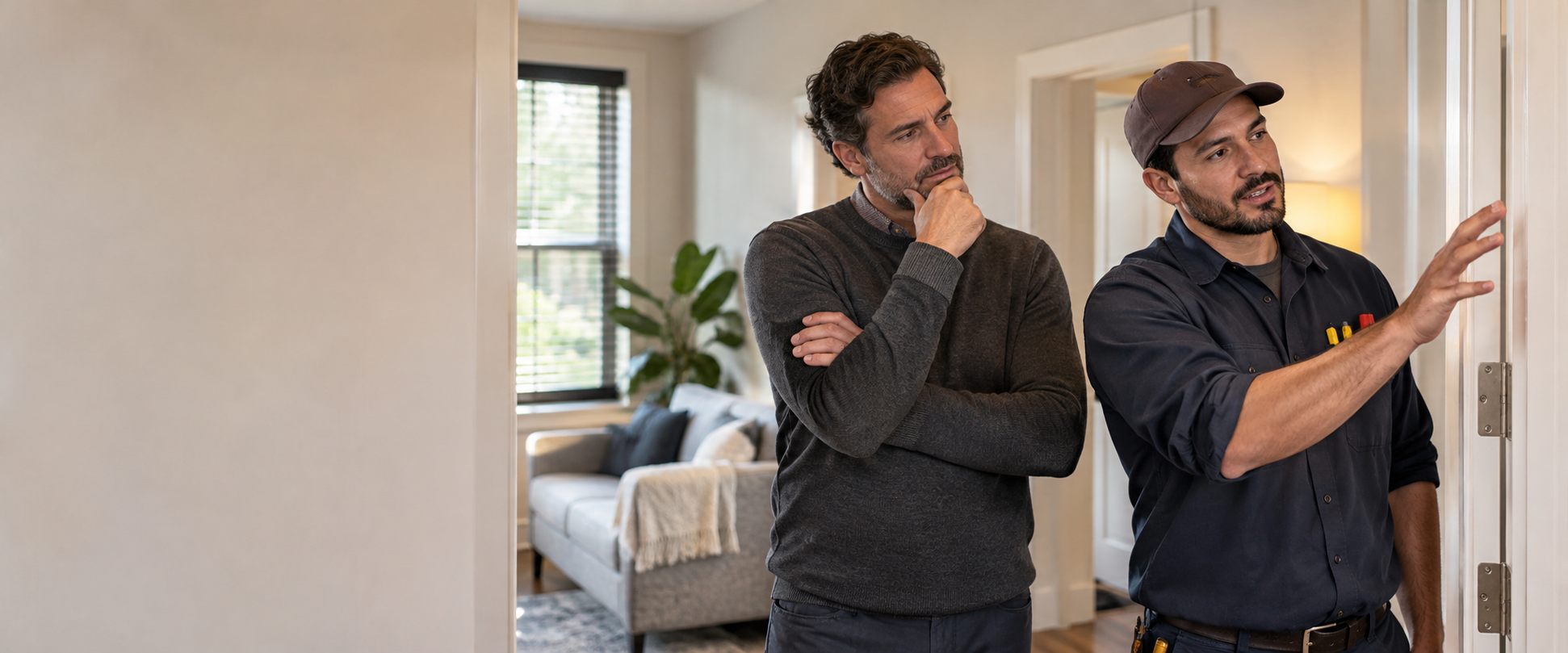
A rental property can be in a desirable location and still lose a good tenant over an unanswered repair or unclear communication. In the U.S., recent renter research points to a practical shift: tenants are paying close attention to the day-to-day experience of renting, not just the home itself. Landlords who keep up can make their properties easier to live in and their rental business easier to manage.
The renter experience starts with the basics
A 2026 survey of 1,500 U.S. renters found that maintenance, communication, and perceived value shape satisfaction and renewal decisions. In that survey, 84% of renters expected a response from their property manager within 24 hours. That doesn’t mean every repair can be completed immediately; it does mean renters want to know their request was received and what happens next. (Buildium’s 2026 Renters’ Report)
Landlords can start with a few reliable habits:
- Acknowledge requests promptly. Confirm that you received the message, even if you’re still arranging a visit or waiting for a part.
- Set clear expectations. Explain the next step and when you’ll provide an update. If the schedule changes, let the renter know.
- Close the loop. After work is complete, check that the issue is resolved and keep a record of the request and repair.
These simple steps help renters feel informed and help landlords spot recurring property issues before they become harder to handle.
Make convenience useful, not complicated
Many renters are comfortable handling routine tasks online. Buildium’s survey found that 90% were open to completing rental processes digitally, with payment, communication, and maintenance tracking among the functions renters value in a portal. (Buildium’s 2026 Renters’ Report)
A landlord doesn’t need an elaborate system to respond to that preference. The goal is to make common tasks easy and predictable:
- Offer a dependable way to get in touch. Use a portal, email, or another clear channel, and explain how renters should report urgent problems.
- Keep records in one place. Save messages, maintenance updates, lease documents, and payment records where you can find them.
- Keep a human option available. Digital tools can organize routine tasks, but renters still need a clear way to reach someone when a situation needs personal attention.
Treat renewals as an ongoing conversation
A renewal decision is rarely made on the day a lease ends. Renters notice how repairs are handled and whether communication is consistent throughout the year. A 2026 Buildium survey found that renters satisfied with maintenance were more likely to say they planned to renew. That is an association in survey responses, not a guarantee that any single improvement will keep a tenant. (Buildium’s 2026 Renters’ Report)
Before offering a renewal, review unresolved requests, recurring problems, and the condition of the property. Give renters enough time to ask questions and make a decision. If rent or lease terms will change, explain the proposed terms clearly and follow the rules that apply where the property is located.
Keep the property and your process current
A changing rental market doesn’t require landlords to chase every new tool or trend. It calls for a dependable standard of service: maintain the home, respond clearly, make routine tasks manageable, and review local requirements regularly. Rental laws differ by state and locality, so check current rules before making decisions about notices, repairs, fees, or lease changes.
The landlords best prepared for change are often the ones who pay attention to the small moments renters experience every day. Start by reviewing your maintenance and communication process, then improve the parts that leave renters waiting or guessing.